
LQS Login: A Complete Expert Guide to Access, Features, and Best Practices
In LQS Login digital-first environment, secure online systems play a critical role in managing data, workflows, and user access. One such system that many professionals and organizations rely on is LQS Lo gin. Whether you’re new to the platform or someone who uses it regularly, understanding how the LQS lo gin process works—and how to use it efficiently—can save time, prevent issues, and improve overall productivity.
This article breaks down everything you need to know about LQS login in a clear, casual, yet expert tone. From understanding what LQS is to troubleshooting common login problems and applying security best practices, this guide covers it all in detail.
What Is LQS Login and Why It Matters
LQS login refers to the secure authentication process used to access an LQS platform or system. While “LQS” can stand for different internal systems depending on the organization, it is commonly associated with platforms that manage learning, quality systems, logistics, or data-driven workflows. The login system acts as the digital gatekeeper, ensuring that only authorized users can access sensitive tools and information.
The importance of LQS login lies in its role as the first layer of security. Without a proper login mechanism, confidential data, internal reports, and system settings could be exposed. A well-designed login process ensures that users are correctly identified and granted access based on their role or permissions within the system.
Beyond security, LQS login also supports personalization. Once logged in, users often see dashboards, tools, and reports tailored to their specific responsibilities. This not only improves efficiency but also reduces confusion, making the platform easier to use on a daily basis.
How the LQS Login Process Works
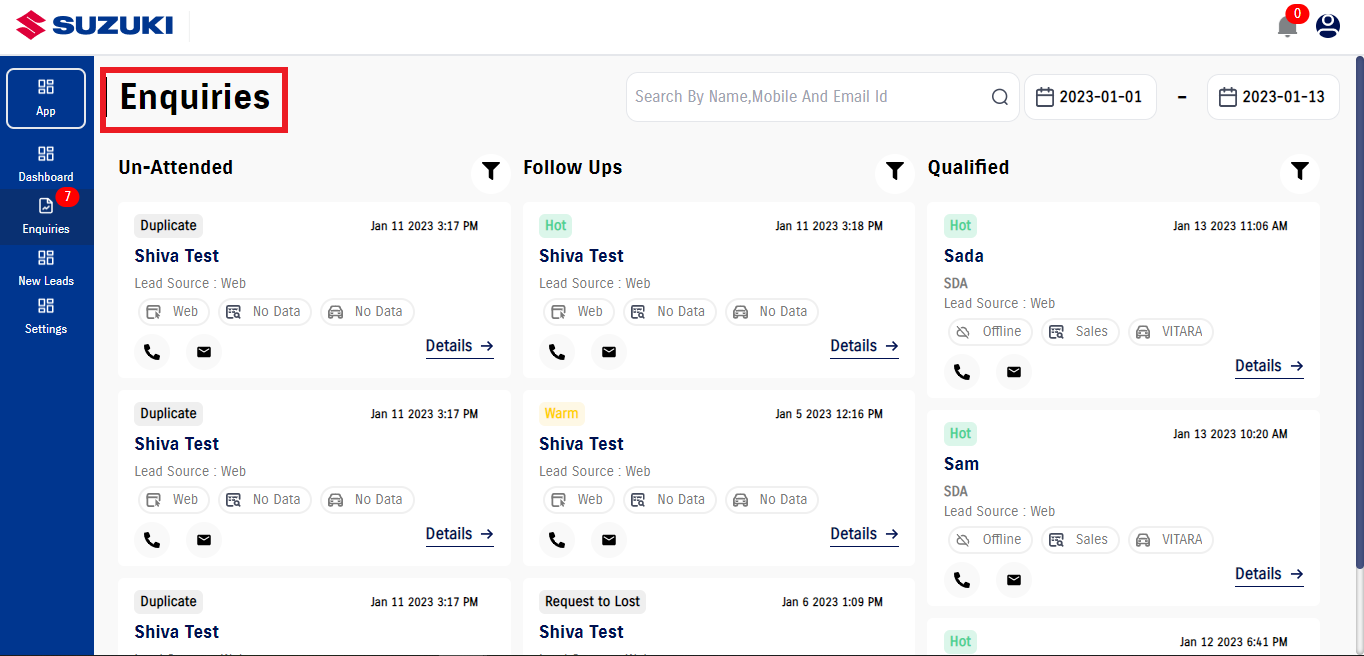
The LQS login process is generally designed to be simple while maintaining strong security standards. Most users begin by navigating to the official LQS login page provided by their organization or service provider. This page typically includes fields for a username or email address and a password.
After entering valid credentials, the system verifies the information against its database. If everything matches, the user is granted access to the platform and redirected to their dashboard or homepage. In some cases, additional verification steps such as one-time passwords (OTP) or multi-factor authentication may be required.
What makes the LQS login process effective is its balance between ease of use and protection. Users can log in quickly without unnecessary complexity, while the system still enforces rules like password strength, session timeouts, and activity monitoring to maintain security.
Creating and Managing Your LQS Login Credentials
For most users, LQS login credentials are created by an administrator or IT department. This usually involves assigning a username and a temporary password, which the user is required to change upon first login. This step ensures that only the intended user knows the final password.
Managing your credentials properly is essential for smooth access. Strong passwords that include a mix of letters, numbers, and symbols are highly recommended. Avoid reusing passwords from other platforms, as this can increase the risk of unauthorized access if another account is compromised.
Regularly updating your LQS login password is another good habit. Many systems prompt users to change their passwords every few months, and while this may feel inconvenient, it significantly enhances security. Keeping your login details private and never sharing them with others is equally important.
Common LQS Login Issues and How to Fix Them
Even the most reliable systems can encounter login problems from time to time. One of the most common LQS login issues is entering incorrect credentials. This can happen due to simple typing errors, forgotten passwords, or confusion between multiple accounts.
Another frequent issue involves browser-related problems. Cached data, outdated browsers, or disabled cookies can sometimes prevent the login page from functioning properly. Clearing your browser cache or switching to a different browser often resolves these issues quickly.
Account lockouts are also possible after multiple failed login attempts. This is a security measure designed to prevent unauthorized access. If your LQS login account is locked, the best solution is to contact your system administrator or use the official account recovery option if available.
Security Features Behind LQS Login Systems
Security is a core component of any LQS login system. Most platforms use encrypted connections, ensuring that data transmitted during the login process cannot be intercepted or read by unauthorized parties. This encryption is crucial, especially when accessing the system over public or shared networks.
Many LQS login systems also implement role-based access control. This means that even after logging in, users can only access the features and data relevant to their role. For example, an administrator may see system-wide settings, while a regular user sees only their assigned tasks or reports.
Advanced security features may include login activity monitoring, automatic session timeouts, and alerts for suspicious behavior. These measures work together to create a secure environment without making the user experience overly complicated.
Best Practices for Using LQS Login Safely
Using LQS login safely is a shared responsibility between the system and the user. One of the most important best practices is to always log out after using the platform, especially on shared or public computers. This prevents others from accessing your account without permission.
Another key practice is to be cautious of phishing attempts. Fake emails or messages may try to trick users into revealing their LQS login credentials. Always verify the source of any communication and access the login page directly through the official link rather than clicking on unknown URLs.
Keeping your device secure also plays a big role. Updated operating systems, antivirus software, and secure browsers all contribute to a safer login experience. When combined with strong passwords and awareness, these practices greatly reduce security risks.
LQS Login on Different Devices and Platforms
Modern LQS login systems are often designed to be compatible with multiple devices. Whether you are accessing the platform from a desktop computer, laptop, tablet, or smartphone, the login process usually remains consistent. This flexibility allows users to stay productive even when working remotely.
On mobile devices, the login interface may be optimized for smaller screens, making it easier to enter credentials and navigate the system. Some platforms also offer dedicated mobile apps, which can provide faster access and additional security features like biometric authentication.
However, users should always ensure they are accessing the official LQS login portal, regardless of the device. Using unofficial apps or third-party links can expose login details to security threats and should be avoided.
The Role of LQS Login in Daily Workflows
LQS login is more than just a gateway; it’s a starting point for daily tasks and workflows. Once logged in, users often rely on the platform to manage records, track progress, submit reports, or collaborate with team members. A smooth login experience directly impacts how efficiently these tasks can be completed.
When login systems are reliable, users spend less time dealing with technical issues and more time focusing on their actual work. This is especially important in environments where time-sensitive decisions or compliance requirements are involved.
Over time, familiarity with the LQS login process helps users move quickly through the system. Knowing where to go after logging in, understanding role-based dashboards, and using built-in tools effectively all start with consistent and secure access.
Final Thoughts on LQS Login
LQS login may seem like a small part of a larger system, but it plays a crucial role in security, usability, and overall performance. From protecting sensitive data to enabling personalized access and smooth workflows, a well-implemented login process benefits both users and organizations.
By understanding how LQS login works, following best practices, and knowing how to troubleshoot common issues, users can avoid frustration and make the most of the platform. Whether you’re logging in daily or only occasionally, treating your login credentials with care is essential.