The Magic of Club Friendlies: Why They Matter More Than You Think
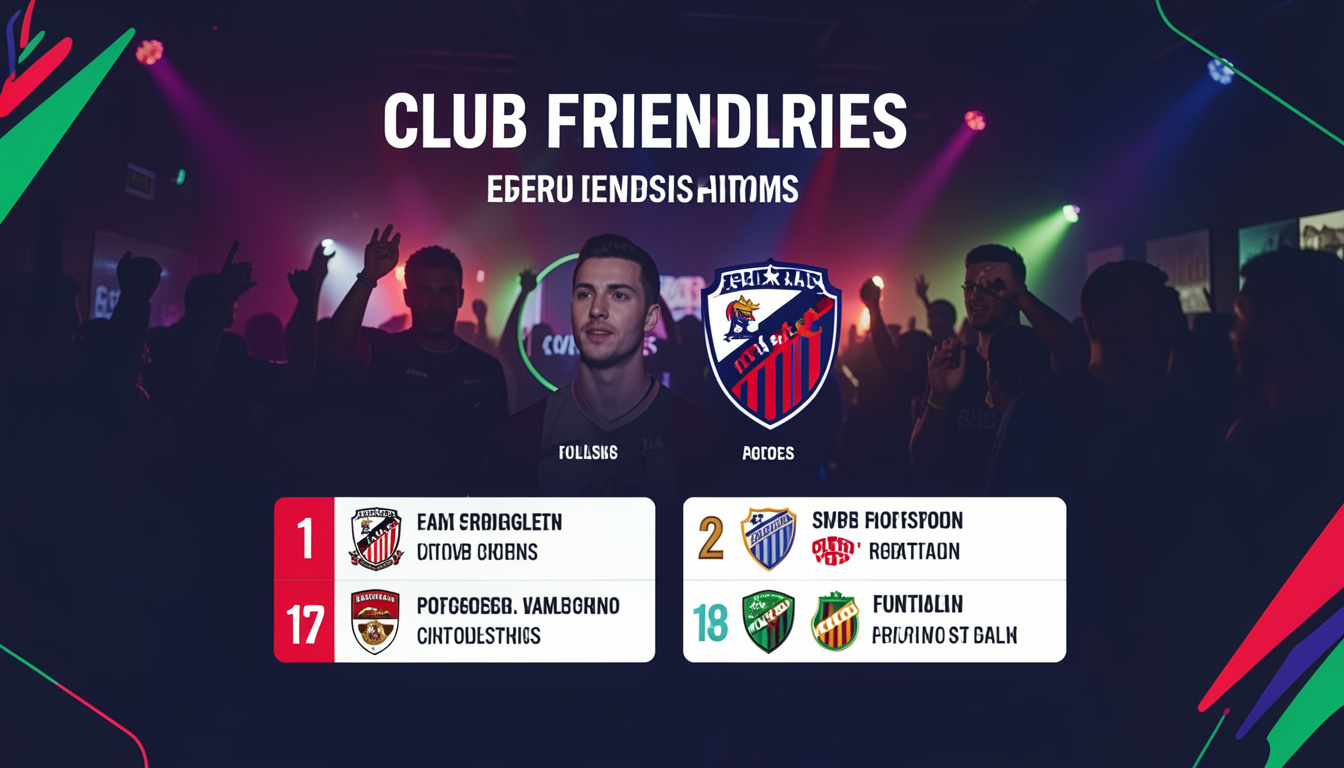
Have you ever wondered why your favorite soccer teams play games that do not count for points? These matches are called club friendlies. While they might seem like simple practice games, they are actually very important for the sport. Coaches and players use these special fixtures to get ready for the big, competitive season ahead. Think of them as a dress rehearsal before the main show starts. During these games, the pressure is lower, which allows teams to try new things, test out young talent, and build strong connections between teammates. Whether it is a pre-season tour or a mid-season break, club friendlies provide a unique chance for growth.
Table of Contents
What Exactly Are Club Friendlies?
A club friendly is a match played between two soccer teams that is not part of a league or a tournament. Because no league points or trophies are at stake, the atmosphere is usually more relaxed than a normal game. However, that does not mean the teams don’t want to play well. Even though they are called “friendly,” the players still work very hard. These games are mostly used for training and getting ready for the official season. Both managers and players take these exhibition games seriously to ensure they are at their best.
Why Do Coaches Love Using Club Friendlies?
Coaches see club friendlies as the perfect laboratory for their ideas. When they want to try a new formation or a different way of playing, they do it in these matches. If a new strategy fails, it does not cost them any league points. This gives them the safety to experiment and find what works best. Coaches also use these games to see how new players fit in with the rest of the squad. It is the best way to watch their team play against someone else without the fear of losing their spot in the league table.
Building Match Fitness Through Exhibition Games
You might be very fit, but “match fitness” is a totally different thing. Running on a track is not the same as playing a full 90-minute game. Club friendlies help players reach their peak physical shape before the season starts. By playing these matches, their bodies slowly get used to the high intensity of real games. This helps lower the risk of getting hurt later on. Coaches often start players with just 45 minutes and increase the time as the team gets ready for the serious matches that follow in the league.
The Role of Youth Players in These Fixtures
One of the most exciting parts of club friendlies is seeing young players get a chance to shine. Since there is less pressure, managers are more likely to let academy players onto the field. These young athletes get to play against senior players, which helps them learn faster. For many, a strong performance in one of these games can earn them a permanent spot on the main team. It is a fantastic opportunity for them to show the world what they can do and gain valuable experience for their future career.
Enhancing Team Chemistry and Understanding
Soccer is a team sport that relies on trust and communication. Club friendlies are the best time to build bonds between players on and off the field. When new players join a team, they need to learn how their teammates move and pass the ball. These matches give them plenty of time to learn these habits. Strong team chemistry often makes the difference between winning and losing in tight competitive games later in the year. The more time they spend playing together, the better they will understand each other when it truly matters.
The Financial Side of Pre-Season Tours
Did you know that club friendlies are also a big business? Many large teams go on tours to different countries to play these games. This helps them connect with fans all over the world who might not get to see them play live often. Selling tickets to these matches helps clubs make money to support their operations. Plus, it is a way to grow the team’s brand globally. Fans are always excited to see their heroes in person, making these games a win-win situation for the club and the supporters.
How to Analyze Performance in Non-Competitive Matches
While the final score is not everything, coaches still watch club friendlies closely. They look for specific things, like how well the team defends during set pieces or how quickly they transition from defense to attack. Even if the team loses, a coach might be happy if they see improvements in those areas. They track stats like pass accuracy and distance covered to see if players are working hard. These small details tell them if the team is truly ready for the challenges of the upcoming season.
Comparing Friendlies to Competitive League Matches
It is helpful to understand the difference between a friendly and a league game. League matches are all about getting points, winning titles, or avoiding relegation. The intensity is very high, and the pressure is constant. On the other hand, club friendlies have more flexible rules, like allowing many more substitutions. This flexibility is what makes them so useful for testing different player combinations. While league games are about the result, club friendlies are about the long-term progress of the team.
A Table of Key Differences
| Feature | Competitive Matches | Club Friendlies |
| Primary Goal | Win points and trophies | Development and fitness |
| Substitutions | Limited (usually 3–5) | Flexible/Unlimited |
| Pressure | Extremely high | Lower/Managed |
| Tactical Approach | Strict and proven | Experimental |
| Outcome Impact | Affects league ranking | No impact on ranking |
Engaging Fans Without the Pressure
For fans, club friendlies are a fun way to enjoy soccer without the stress of worrying about league standings. You can just sit back and enjoy watching your favorite players try out new skills. Sometimes, these games feature fun penalty shootouts or even special trophies for the winner of a tournament. It creates a lighter, more festive atmosphere in the stadium. It is a great way to keep the passion for soccer alive even when the main season is on a break or during the summer months.
Conclusion
Next time you see a match listed as a friendly, don’t just scroll past it! Club friendlies are full of stories waiting to happen. You might see a star player make a beautiful goal, or a young talent have their breakout moment. These games show us the hard work, the new tactics, and the team spirit that go into building a champion. So, grab a snack, cheer for your team, and enjoy the beautiful game! Would you like me to find out if your favorite club has any upcoming club friendlies scheduled?
Frequently Asked Questions
1. Why are they called “club friendlies” if they can be intense?
They are called “friendly” because they don’t count toward any league points. While the match itself can be played hard, it is considered a practice or exhibition match rather than a serious, high-stakes competition.
2. Can anyone play in these matches?
Yes, managers can choose any player from their squad. They often use these games to give minutes to younger players or those coming back from injuries to get them back into match shape.
3. Do managers care about the final score?
Not as much as in a league game. A manager might be happy with a loss if they saw their team play well, used new tactics correctly, or if all players stayed healthy during the match.
4. Why do teams travel to other countries for these games?
Traveling for club friendlies is great for marketing and connecting with international fans. It also helps teams prepare in different climates and gives them a chance to play against clubs from other leagues that they wouldn’t normally face.
5. How many substitutions are allowed in a friendly?
Usually, there are no strict limits on substitutions in a club friendly. This is done on purpose so coaches can test as many different players and formations as they want during the 90 minutes.
6. Are there ever trophies won in these matches?
Sometimes, yes! Some summer tournaments feature multiple teams and provide a trophy to the winner. While it’s not as important as a league title, it still gives the players a nice morale boost.